We use the method of multiplication, beyond school, later in life far more often than we realise; sometimes without even noticing it. From calculating the total cost of groceries, splitting a restaurant bill, counting steps in a workout, to figuring out how many pages you need to read each day before an exam, multiplication tables quietly support everyday decisions. When you know your times tables well, these calculations become quick, effortless, and stress-free.
This is why learning tables 1 to 50 is not just a school requirement but a real-life skill. Strong math tables help build speed, accuracy, and confidence, whether you’re a young student learning multiplication for kids, a parent helping with homework, or a learner preparing for competitive exams. At learning-focused institutions like Universal Wisdom School, emphasis is placed on understanding patterns and basic math facts, so students don’t just memorise a multiplication chart but learn how to apply it meaningfully in daily life.
According to the National Council of Teachers of Mathematics (NCTM), fluency in multiplication tables allows students to focus on problem-solving rather than calculation mechanics.
A Cambridge University study also shows that students with strong multiplication recall perform significantly better in higher-level math.
Many students ask about the difference between multiplication and times tables.
| Term | Meaning |
| Multiplication | The mathematical operation (e.g., 6 × 4) |
| Times Tables | Repeated practice of multiplication facts |
So when you practice tables 1 to 50, you’re strengthening your multiplication foundation.
Before jumping to maths tables 1-50, it helps to understand the structure of a multiplication chart.
| × | 1 | 2 | 3 | 4 | 5 |
| 1 | 1 | 2 | 3 | 4 | 5 |
| 2 | 2 | 4 | 6 | 8 | 10 |
| 3 | 3 | 6 | 9 | 12 | 15 |
| 4 | 4 | 8 | 12 | 16 | 20 |
| 5 | 5 | 10 | 15 | 20 | 25 |
Learning how to read a multiplication chart helps students see patterns instead of memorising blindly.
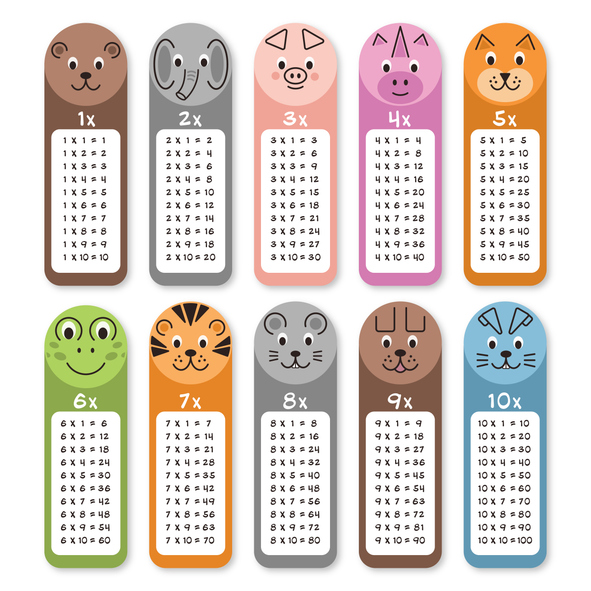
Instead of tackling all at once:
This method is widely recommended by Khan Academy.
Some examples:
These tricks for remembering 15-20-25 tables reduce cognitive load significantly.
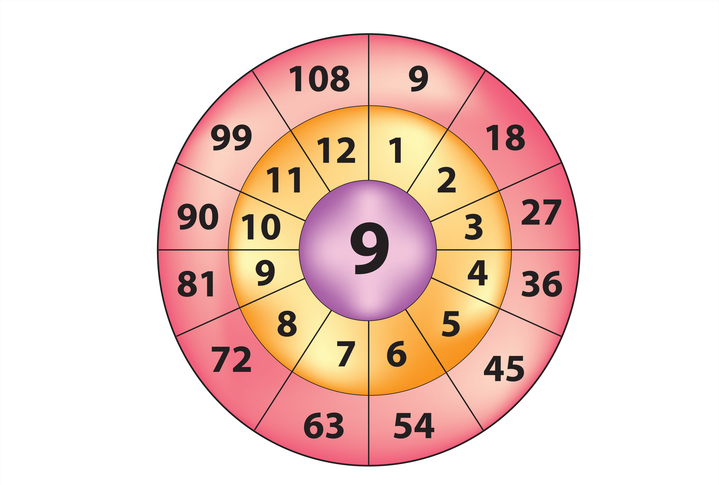
Reading multiplication table 1-50 with words or using songs to learn multiplication tables helps auditory learners.
Studies from Harvard Graduate School of Education show rhythm-based learning improves recall in children.
Educators agree that the best way to teach times tables to kids is through interaction.
At Universal Wisdom School, we integrate visual tools and activity-based learning to ensure concepts stay strong.
Avoid these frequent errors:
According to Edutopia, spaced repetition is more effective than cramming.
If you’re wondering how to practice multiplication tables daily, try this:
| Time | Activity |
| 3 min | Revise old tables |
| 4 min | Learn 1 new table |
| 3 min | Multiplication table quiz for students |
Consistency matters more than duration.
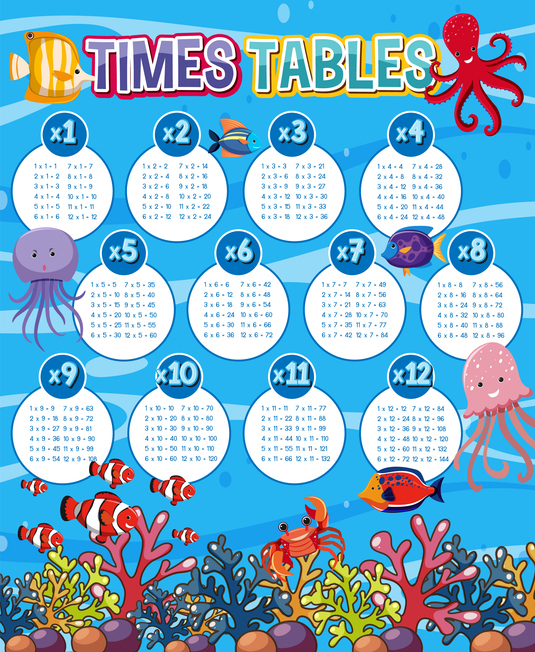
Students often benefit from:
These tools improve recall and confidence, especially before exams.
Strong recall of multiplication tables for competitive exams improves speed in:
According to NCERT, multiplication fluency directly impacts problem-solving speed.
Interactive Websites to Practice Multiplication Tables
Practising tables 1 to 50 using structured activities, charts, and games allows students to strengthen their math tables step by step. These approaches make it easier for children to test their understanding, spot mistakes early, and improve recall through repetition, without feeling overwhelmed. With the right tools and guidance, learning multiplication tables becomes less about rote learning and more about building strong basic math facts that support future mathematical success.
Here are a couple interactive websites where students can practise Multiplication Tables:
Multiplications Quiz on TurtleDiary: a self-marking quiz that covers multiplication tables at different grade levels.
Multiplication Game on MathPlayground lets students practise their multiplications through a fun penguin game!
Learning becomes a lot more enjoyable when numbers start making sense beyond the textbook. Multiplication tables are a foundational part of mathematics, and when practiced in an engaging way, they help students build speed, accuracy, and confidence. Through interactive methods, visual patterns, and regular practice, learners can move from memorising facts to truly understanding how times tables work in everyday problem-solving.
Mastering tables 1 to 50 is not about pressure, it’s about practice, patterns, and patience. With the right strategies, visual aids, and daily revision, learning multiplication tables becomes simple and even enjoyable.
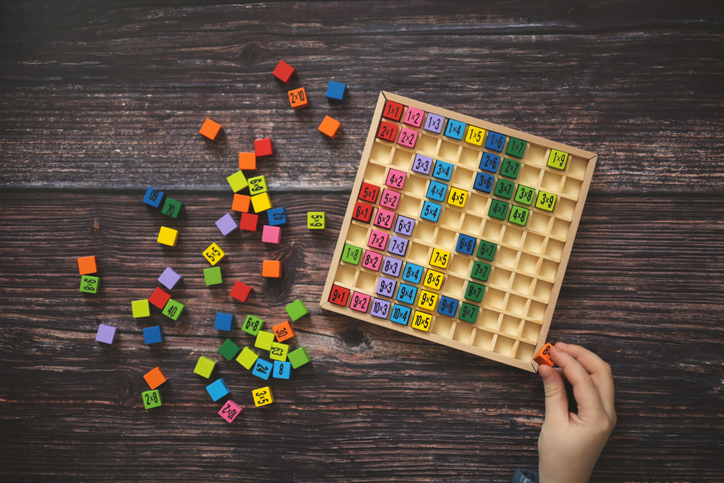
At Universal Wisdom School, we emphasize conceptual clarity and modern teaching methods, ensuring students don’t just memorise, but truly understand math.